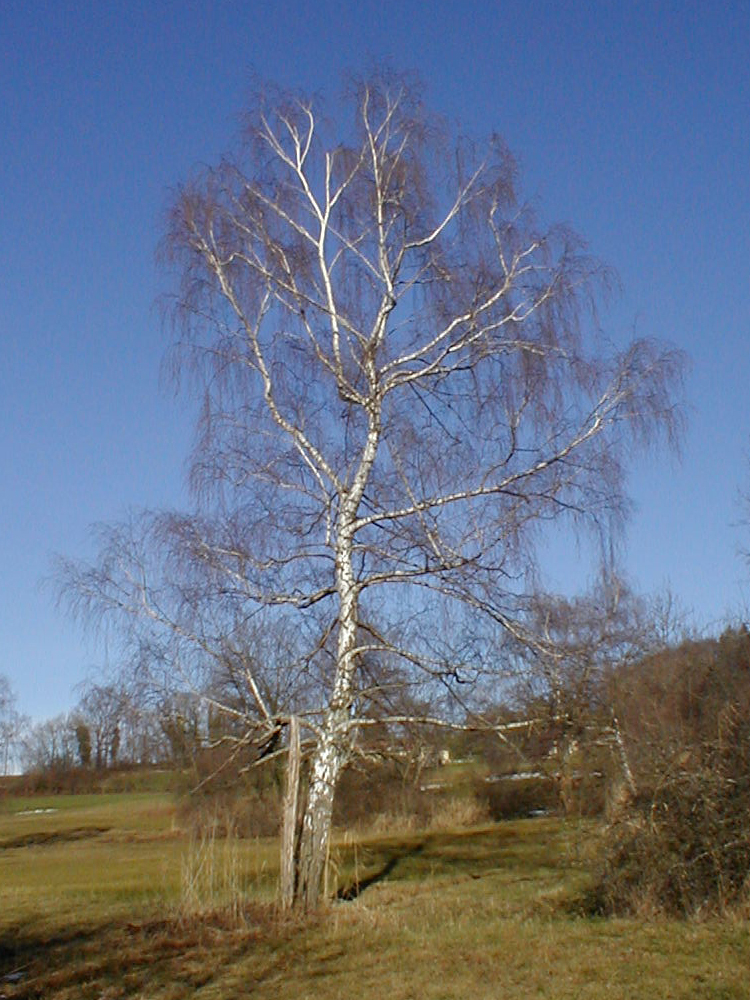
The Two Primary Windows
Birch pollard pruning in Poland falls into two main seasonal windows:
- Winter dormancy window (November to mid-February): the preferred period for major pollard work including first establishment and full regrowth removal.
- Post-nesting summer window (August to September): a secondary window for lighter work once nesting-season restrictions have passed and before early autumn.
The March–July period is generally avoided for substantial pruning work due to a combination of sap-rise risk, bird nesting legislation, and active growth phases that reduce the tree's capacity to respond to major wound stress.
Month-by-Month Reference
| Period | Status | Notes |
|---|---|---|
| November | Good | Leaves dropped; tree dormant; minimal sap movement; preferred for major works. |
| December | Good | Full dormancy; ground may be frozen, affecting access; otherwise ideal. |
| January | Good | Coldest month in much of Poland; hard frost may affect working conditions but no physiological objection. |
| February (early) | Good | Still dormant in most of Poland. Sap rise can begin in warm spells; monitor conditions. |
| February (late) | Caution | Sap rise risk increases; wound bleeding likely in mild years. Avoid if temperatures consistently above 5°C. |
| March | Avoid | Active sap rise in most years; significant bleeding from pruning wounds; nesting season begins. |
| April | Avoid | Bud break and leaf expansion; high metabolic activity; bird nesting in progress. |
| May | Avoid | Active growth; nesting season peak. |
| June | Avoid | Active growth; leaf canopy fully expanded; nesting. |
| July | Avoid | Nesting typically continues through early July for many species. Summer drought stress risk. |
| August | Acceptable | Most nesting concluded; growth slowing; suitable for light reduction work. Avoid stressed trees in drought conditions. |
| September | Acceptable | Growth slowing further; some early leaf colour. Suitable for light to moderate work before autumn senescence begins fully. |
| October | Acceptable / Good | Leaf fall progressing; dormancy approaching. Works timing depends on individual tree's senescence progress. |
Sap Rise in Betula pendula
Birch is notably active in sap rise compared to many broadleaf species. The sap (birch water — woda brzozowa in Polish, harvested traditionally in spring) begins to move upward from root storage tissue as soon as temperatures consistently exceed a threshold in late winter. In Poland, this typically falls between mid-February and mid-March, but varies considerably year to year.
Pruning during active sap rise results in sustained weeping from cut surfaces, which in birch can continue for several weeks. While birch generally survives this, it prolongs the open wound period and increases susceptibility to pathogen entry. The practical advice is to complete dormancy-season work before mid-February in most years, and to defer any remaining major work until August if the February window is missed.
A simple field check: if birch buds are visibly swelling and the bud scales are separating at the tip, sap rise is already underway. This check applies to any Betula pendula on the site and is a more reliable indicator than calendar date alone, given the variability of Polish spring arrival.
Bird Nesting Season and Legal Restrictions
The Ustawa o ochronie przyrody (Nature Conservation Act) and its implementing regulations protect nesting birds, eggs, and chicks. Article 52 prohibits destruction of active nests. This applies to trees at field margins, where a range of species nest including blackbirds, song thrushes, various warblers, and in mature birch, redstarts and tree sparrows.
The practical effect is that substantial pruning or crown removal work on trees should not be carried out during the active nesting period. In Poland, the nesting season is broadly interpreted as running from 1 March to 31 July, though individual species vary. Some species, such as the mistle thrush, may begin nesting earlier, and late-nesting second clutches can extend into August in some years.
Prior to tree work during the March–July period, a nest check is advisable. An arborist or ecologist inspects the crown for active nests before proceeding. For pollard maintenance rather than full felling, works in winter dormancy avoid this issue entirely.
Regional Variation in Poland
Poland's climate shows significant regional variation relevant to timing decisions. The northeast (Warmia-Masuria, Podlaskie) has colder winters and later spring arrivals than the southwest (Lower Silesia, Opole). A dormancy period that runs until early March in the southwest may be reliably maintained until mid-March in the northeast.
The Podkarpackie region in the southeast shows elevation effects, with higher locations having later springs and a compressed growing season. Field-margin arborists in these regions may have a slightly extended dormancy window compared to their counterparts in central Poland.
Emergency and Safety Work
Where a birch pollard presents an immediate safety hazard — overhanging a road, footpath, or building — work can be carried out at any time of year regardless of the seasonal calendar. The seasonal preferences described here apply to planned maintenance only. Emergency work should be assessed on its specific circumstances.
If emergency work is conducted during the nesting season, a nest check by a competent person before cutting is good practice and may be legally required if there is a reasonable likelihood of active nests being present.
Summary Recommendations
- Schedule major pollard work for November through early February
- Monitor for sap rise in late February before proceeding
- If the winter window is missed, defer major work to August or September
- Complete a nest check before any crown works in March–July
- Regional climate variation may extend or shorten each window by two to four weeks
References
- Generalna Dyrekcja Ochrony Środowiska (GDOŚ)
- Ustawa o ochronie przyrody — Sejm RP
- Zajączkowski, K. (ed.) — Zasady hodowli lasu. Lasy Państwowe, Warsaw.